
Retail lighting is not just an accessory: it is a comprehensive project tool for architects, construction companies, and specifiers. It serves multiple roles—functional, emotional, strategic—and offers technical and economic advantages. LED solutions stand out in this context, being versatile and efficient, combined with focused, ambient, and dynamic designs:
- Create environments that reinforce brand identity.
- Influences purchasing decisions: a well-thought-out light guides the customer's journey and highlights key products.
- Enhances the customer experience by creating visual comfort for both users and staff
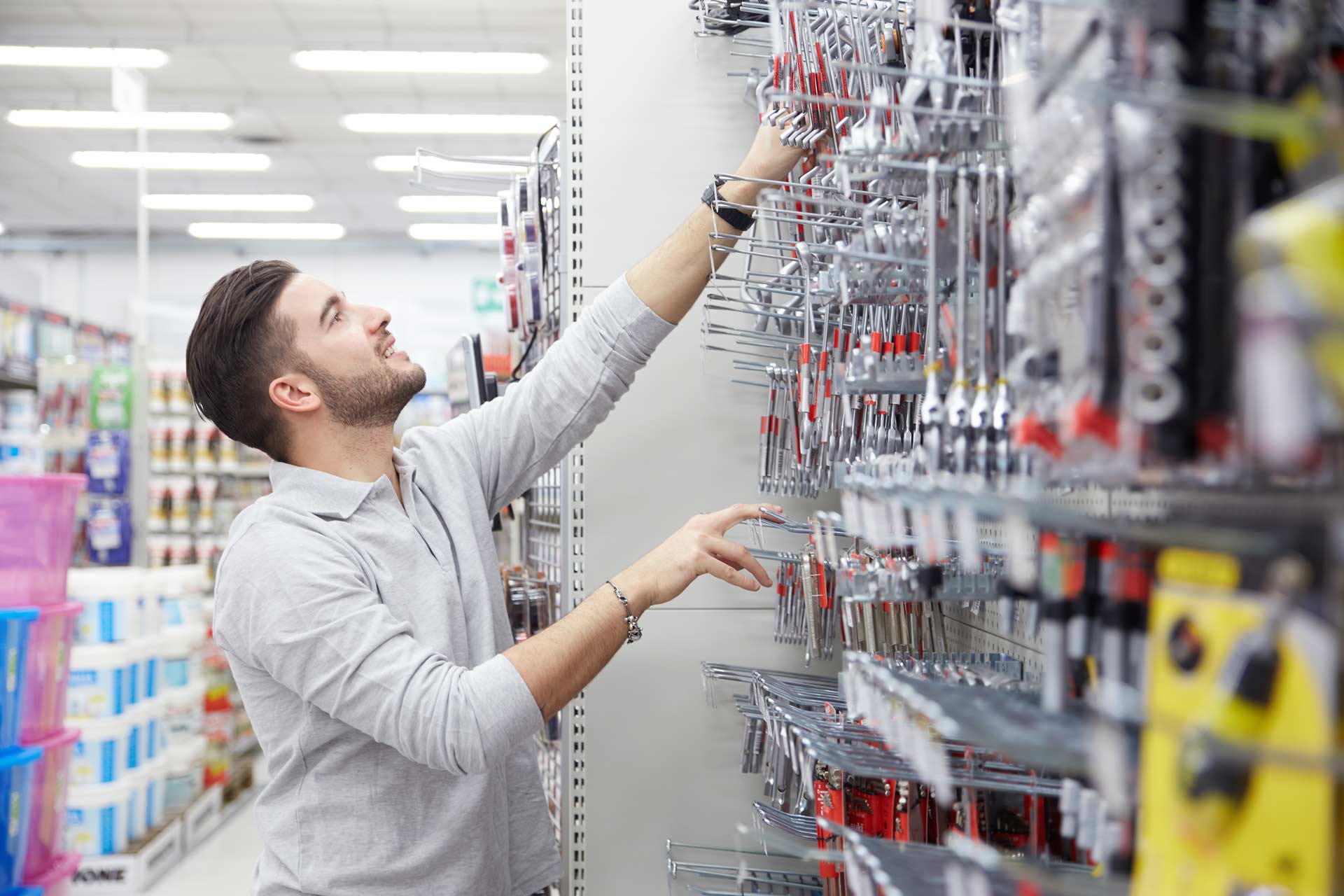
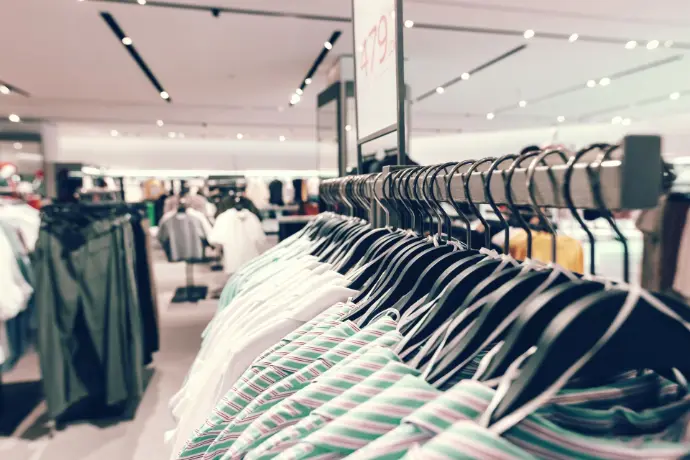
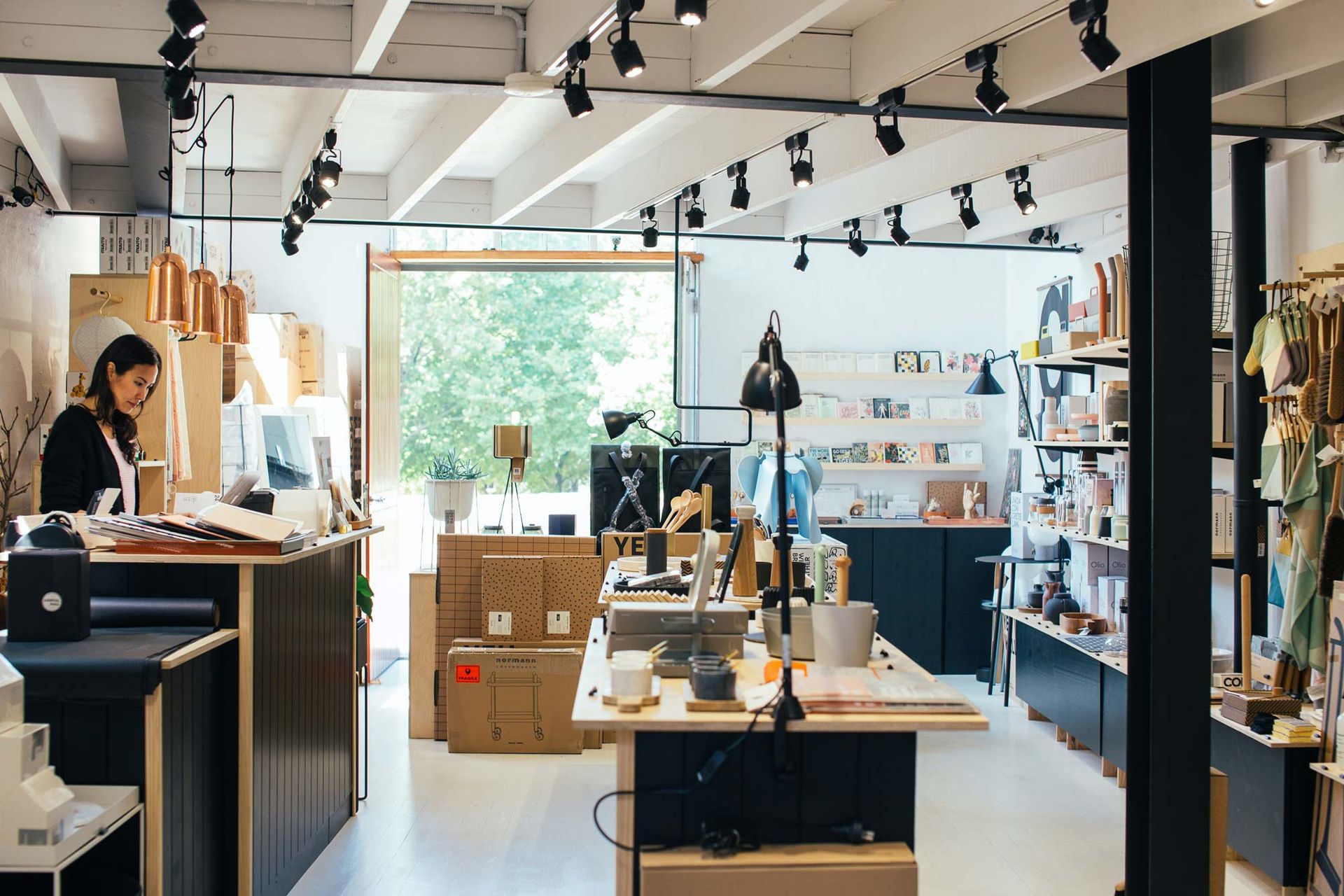
Functions of lighting for stores
General lighting (visibility and comfort): Provides a uniform base of light that allows for comfortable and safe circulation throughout the store. In this case, recessed LED fixtures or panels are common and efficient.
Accent lighting (highlight and direct): It is used to enhance products, promotional areas, or displays. It helps to guide attention and create points of visual interest along the way.
Ambient or decorative lighting (Generates specific sensations): warmth, sophistication, or dynamism. An elegant display window or a waiting area is enhanced with pendant lamps, LED strips, or neon.
Dynamic light (adaptable according to the moment): Adjustable lighting allows for varying temperature and light levels according to the time of day, promotions, or seasonal campaigns.
Keys to Perfect Lighting Design in Retail
In this article, we will explore the main lighting design tips in retail, focused on achieving a coherent, efficient, and distinctive sensory experience.
Outdoor lighting
The display window is the first stimulus that the customer receives, and its function is to attract them into the interior of the establishment. Without proper lighting, the content of the display can go completely unnoticed, no matter how good the quality of the displayed items is. The first question we need to ask ourselves when designing our display window is, How much light do I need?
Experts recommend a minimum of 2000 lux. Based on that, we must consider that if dark colors dominate the display, we will need more light, but if light colors stand out instead, we will need less light. One way to highlight a product above others is to give it the correct lighting.
Something that gives us a lot of flexibility when designing our display window is the angle of opening. If we aim to create soft and natural shadows, we should use a wide light angle. On the other hand, if our intention is to create more pronounced shadows, it is best to use a smaller opening angle.
On the other hand, we have the exterior signs that serve to indicate to the consumer which business they are in front of. Nowadays, there are many LED signs or digital LED screens that offer great visibility on their own, in addition to standing out among conventional signs. But if you do not have a sign of these characteristics, but rather a conventional sign, you must ensure that it is sufficiently well-lit so that it can be clearly read by all the people passing through the area and quickly identify your business. To achieve this, we can use LED spotlights located at the top or bottom of the sign to provide frontal lighting or play with side lighting to give a more decorative touch.
Interior lighting
Now we will move to the interior of our business, and for that, we will recall UNE 12464.1, the European standard on indoor lighting, which provides us with the following table for retail establishments.:
| Retail establishmentstas |
| Tipo de interior, tarea actividad | Emlux | UGRL | U0 | Ra |
| Sales Area | 300lux | 22 | 0.4 | 80 |
| Cashier area | 500lux | 19 | 0.6 | 80 |
| Mthat of involver | 500lux | 19 | 0.6 | 80 |
CRI
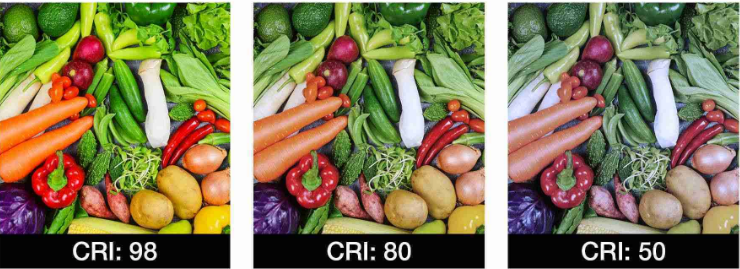
However, the quantity of light is just as important as its quality. This is where the Color Rendering Index (CRI) becomes relevant, referred to as IRC in Spanish and CRI by its English acronym.
The CRI is a unit that measures the ability of a light source to accurately reproduce the colors of objects. Our brain is programmed to reach a quick conclusion, and during the first 90 seconds that we observe something, most of the information we receive is related to color. The higher the CRI level, the better the color reproduction.
Color temperature
The color temperature we will use will depend on the product. For example, in jewelry stores, the use of cool light, 5,000ºK – 6,500ºK, is recommended to showcase the shine of the piece. If we used warm light, it would give the effect that the jewel appears yellowish.
On the other hand, in stores dedicated to food, the goal is to highlight the freshness of the product. For example, in fruit shops, warm tones are used to enhance their natural colors, in fish markets, white and cool light is recommended, and in butcher shops, pink light is used to emphasize the color of the meat.
For clothing stores and many small businesses like stationery shops, a type of neutral light is recommended, with an average color temperature of 4500ºK, as it most closely resembles natural light and does not distort colors.